💡 Fast Facts: Teeth Cleaning Pricing & Benefits
- Scaling Cost Range in Gorakhpur: Standard ultrasonic teeth scaling and polishing ranges from ₹1,000 to ₹2,500. Advanced deep root planing for gum disease ranges from ₹2,500 to ₹4,500.
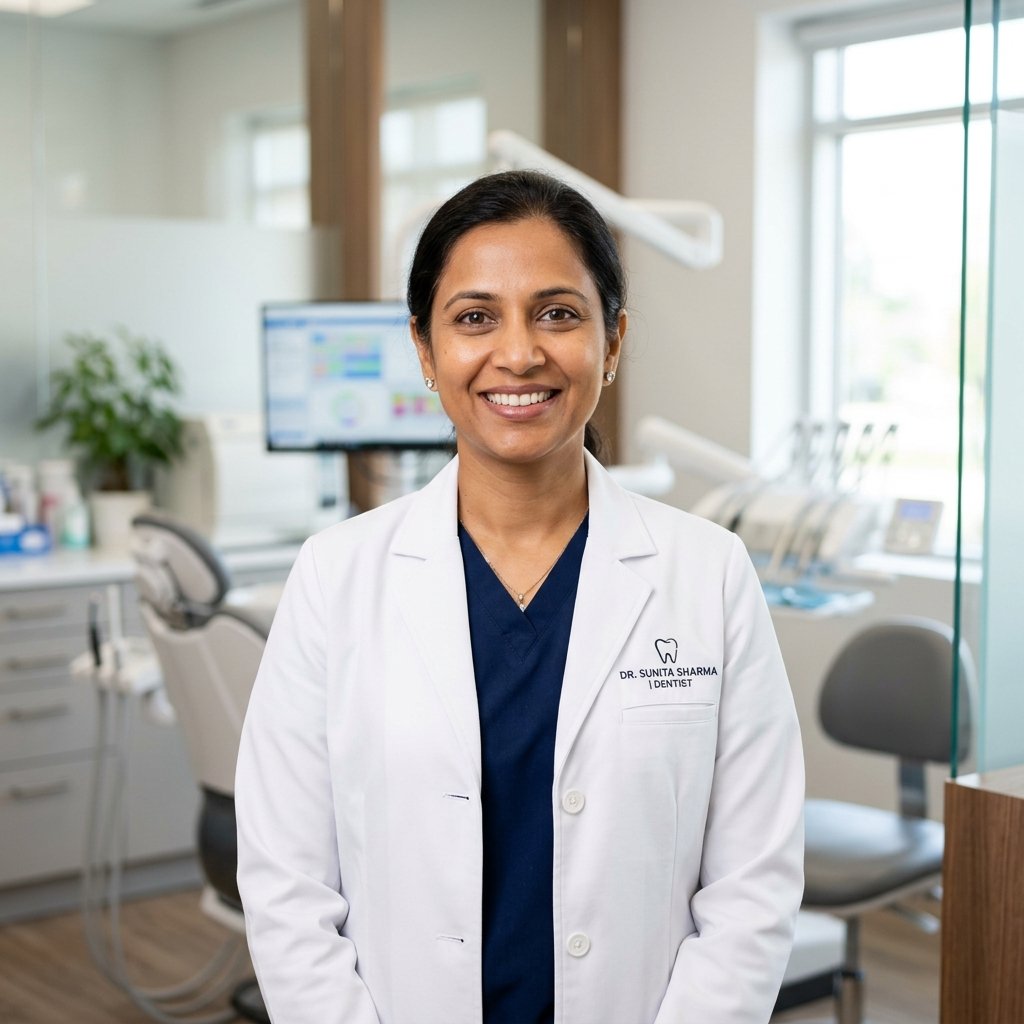
- Clinical Periodontics Reviewer: Medically fact-checked by Periodontist Dr. Ritu Kapoor (Global Dentals Centre).
- Enamel-Safe Technology: Ultrasonic scaling uses gentle micro-vibrations and water flow to detach hard tartar. It is completely safe and does not scrape or weaken tooth structure.
- Pyorrhea Prevention: Getting your teeth cleaned twice a year prevents chronic gingival bleeding, bad breath, and long-term jawbone loss (periodontitis).
Maintaining excellent oral health is the foundation of physical wellness, nutritional digestion, and social confidence. While routine brushing and flossing are necessary daily habits, they are unable to remove all food residues. Over time, soft plaque deposits combine with minerals in your saliva, hardening into a stone-like crust called calculus (tartar). This hard tartar cannot be removed by manual toothbrushes and harbors billions of active bacteria that irritate gums, cause persistent bleeding, create chronic bad breath (halitosis), and lead to pyorrhea (periodontitis).
To eliminate this bacterial layer and keep your gums healthy, professional teeth scaling and polishing is a clinical necessity. Performed by qualified dental surgeons using specialized high-tech ultrasonic instruments, scaling thoroughly cleanses teeth both above and slightly below the gumline. This verified guide analyzes teeth cleaning costs, procedural steps, periodontic safety, and debunks common local myths in Gorakhpur.

1. What is the Teeth Scaling & Cleaning Cost Matrix in Gorakhpur?
The cost of professional teeth scaling and polishing in Gorakhpur depends on the severity of the tartar accumulation, the presence of localized gum pocket infections, and the specific cleaning technology utilized. Standard comparative rates charged at premium clinics in Gorakhpur include:
| Teeth Cleaning Category | Clinical Process & Tech Features | Local Gorakhpur Cost (INR) |
|---|---|---|
| Standard Scaling & Polishing | Full-mouth ultrasonic scaling followed by high-speed rotary rubber cup polishing with fluoride paste. | ₹1,000 - ₹2,000 full mouth |
| Intensive Stain Removal | Ultrasonic scaling coupled with advanced air-abrasive polishing (airflow) for tobacco, tea, or coffee stains. | ₹2,000 - ₹3,000 full mouth |
| Deep Scaling & Root Planing | Subgingival curettage and root planing using specialized hand instruments to clean deep periodontal pockets. | ₹2,500 - ₹4,000 full mouth |
| Laser-Assisted Gum Decontamination | Painless laser decontamination of deep gum pockets after ultrasonic scaling to accelerate tissue healing. | ₹1,500 - ₹2,500 extra fee |
2. The Clinical Need: Why Brushing Alone Cannot Save Your Gums
When you eat, a thin, sticky film of bacteria called plaque constantly forms on your teeth. If this plaque is not brushed away, it absorbs minerals and crystallizes into tartar within 48 hours. Once tartar forms, it creates a rough surface that allows even more plaque to adhere. Tartar releases toxins that trigger a continuous inflammatory response in your gums, leading to two clinical stages of periodontal disease:
- Gingivitis (Early Stage): Gums become red, swollen, and bleed easily during brushing or spitting. This stage is entirely reversible with simple professional scaling.
- Periodontitis (Advanced Stage): The chronic infection spreads beneath the gums, destroying the periodontal ligaments and the supporting jawbone. Deep "gum pockets" form, leading to loose, moving teeth (pyorrhea), abscesses, and eventual tooth loss. This requires deep scaling and root planing by a Periodontist.
3. Debunking Local Myths: Does Scaling Loosen Teeth or Create Gaps?
There are many common misconceptions surrounding professional teeth cleaning in local circles. As a certified Periodontal specialist, Dr. Ritu Kapoor clarifies the scientific facts behind these myths:
Myth 1: "Scaling scrapes off tooth enamel and makes teeth sensitive."
Clinical Fact: Dental scaling does not cut or scrape enamel. Ultrasonic scalers feature a blunt metal tip that vibrates at exceptionally high microscopic speeds (25,000 to 35,000 Hz). These micro-vibrations, combined with a cooling water spray, shatter the hard tartar deposits, causing them to detach cleanly without affecting the highly hard enamel surface.
Myth 2: "Cleaning makes my teeth loose and creates gaps between them."
Clinical Fact: Tartar behaves like a solid concrete collar, holding loose, structurally diseased teeth together. When this calculus is removed during scaling, the artificial support is gone, exposing the pre-existing gaps created by bone loss. The teeth may temporarily feel slightly mobile or sensitive. However, removing the bacterial plaque allows the swollen gums to heal, recede to their healthy margins, and tighten securely around the tooth roots, restoring natural stability.
4. The High-Tech Cleaning Protocol: Step-by-Step
A professional scaling and polishing session is highly structured and completed in under 45 minutes:
- Clinical Evaluation: The dentist maps your teeth and gum health using a specialized probe to check for periodontal pockets and tartar accumulation.
- Ultrasonic Scaling: The clinician systematically cleans all tooth surfaces, including interdental gaps and slightly beneath the gums, using the micro-vibrating ultrasonic scaler.
- Airflow Stain Polishing: If severe smoking, pan, or tea stains are present, a high-pressure jet of fine sodium bicarbonate powder and water (Airflow) is utilized to safely polish away superficial stains.
- Rotary Polishing: A slow-speed rubber cup handpiece and specialized prophylaxis paste are used to polish all enamel surfaces, making them smooth and highly resistant to future plaque attachment.
5. Sterile Safety Standards & Quality Verification
Because ultrasonic scaling generates a fine aerosol spray of water and saliva, maintaining absolute clinical sterility is vital. Audit-approved dental clinics in Gorakhpur feature high-performance sterilization and air purification systems. All mouth mirrors, scaling handpieces, scaler tips, and dental chairs undergo intensive surface disinfection between appointments. Instrument packs are scrubbed, packed, and sterilized using specialized Class B vacuum autoclaves monitored daily with Class 5 chemical indicators and weekly biological spore tests (incubation results verified under Audit ID: CR-GKP-2026-0045) to guarantee complete patient safety.