Smile Designing & Veneers Cost in Gorakhpur: Comprehensive Cosmetic Dentistry Guide
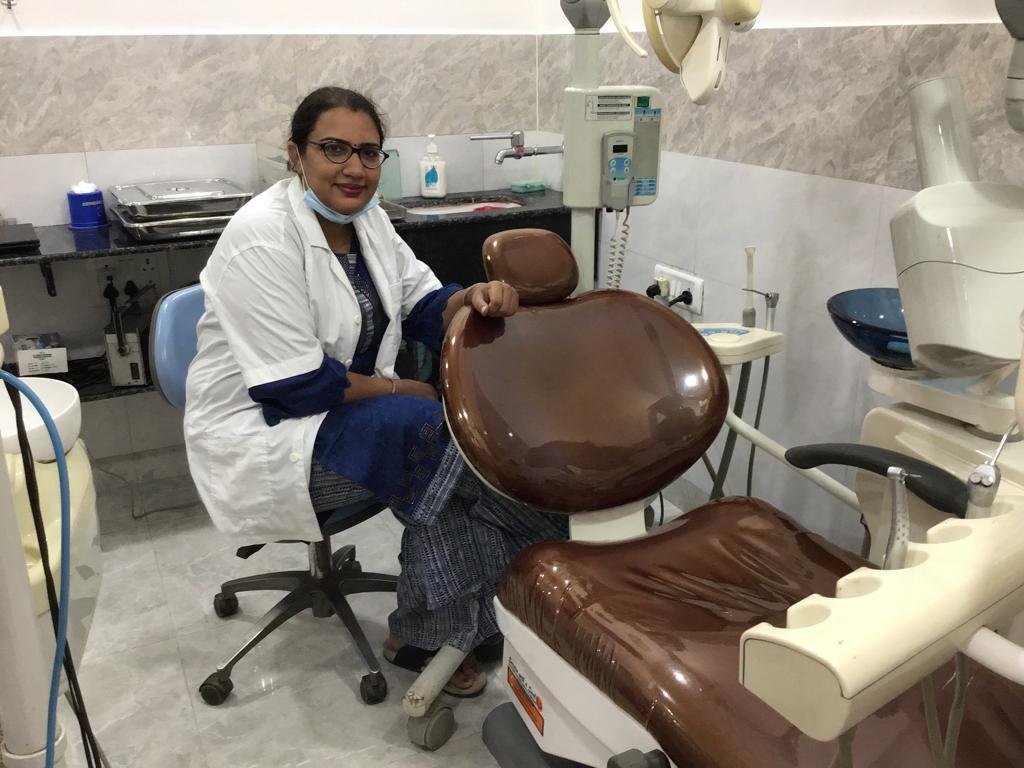
Reviewed and Medically Fact-Checked by Dr. Jyoti Agarwal (MDS Prosthodontics & Crown-Bridge)
For individuals seeking to transform their dental aesthetics, modern cosmetic dentistry offers customized, life-changing procedures. Smile Designing and Porcelain Veneers represent the absolute peak of cosmetic dental artistry. Combining digital smile design software with master-laboratory craftsmanship, cosmetic dentists can correct permanently stained, chipped, slightly crowded, or abnormally sized teeth, creating a completely symmetrical, bright, and natural-looking smile proportioned to your face.
However, understanding how smile makeovers are priced and planned in local clinics requires precise detail. Cosmetic treatment is highly customized, differing based on materials (ceramic vs. composite), the number of teeth treated, and digital laboratory software. This verified guide breaks down realistic local costs, material options, and clinical protocols in Gorakhpur.

Smile design prices depend heavily on the material selected, dental lab processing, and cosmetic complexity. Standard rates charged at premier cosmetic centers in Gorakhpur include:
| Cosmetic Treatment Category | Material & Clinical Features | Local Gorakhpur Cost (INR) |
|---|---|---|
| Direct Composite Veneers | High-polish nanohybrid composite resin. Applied directly in a single sitting. | ₹3,500 - ₹6,000 per tooth |
| Indirect Composite Veneers | Custom laboratory-fabricated composite veneers for superior structural strength. | ₹6,500 - ₹9,000 per tooth |
| Premium E-Max Ceramic Veneers | Lithium disilicate glass-ceramic. Hand-layered or milled CAD/CAM veneers. | ₹12,000 - ₹18,000 per tooth |
| Zirconia Cosmetic Veneers | Monolithic high-translucency zirconia. Exceptional durability and fracture resistance. | ₹10,000 - ₹15,000 per tooth |
| Professional Laser Teeth Whitening | In-office laser-activated hydrogen peroxide gel for immediate whitening results. | ₹8,000 - ₹15,000 complete |
The durability and natural beauty of veneers depend entirely on material selection. Composite Resin Veneers are budget-friendly, require minimal or zero tooth shaving, and are completed in a single sit-down appointment. However, composite is a porous plastic resin, making it susceptible to staining from tea, coffee, or spices over 3 to 5 years, and requiring periodic polishing. Conversely, E-Max Ceramic Veneers (Lithium Disilicate) represent the absolute gold standard in aesthetics. Porcelain is non-porous, completely stain-proof, and possesses an optical translucency index that reflects light exactly like natural tooth enamel. E-Max veneers offer extreme structural durability, easily lasting 15 to 20 years with standard maintenance, making them the ultimate long-term aesthetic investment.
True cosmetic smile design is a mathematical science. Elite cosmetic dentists utilize Digital Smile Design (DSD) software. By capturing high-definition facial photographs and 3D digital impressions, the software calculates your smile lines based on the Golden Proportion (a natural mathematical ratio of tooth widths). The digital design takes into account your pupillary (eye) line, lip curvature, and skin tone. This digital template allows the laboratory technician to mill custom veneers that fit your facial structure. Patients can even try out a temporary acrylic "mock-up" in their mouth to preview, adjust, and approve the final tooth shapes before they are permanently bonded.
A common concern among patients is the amount of natural enamel that must be shaved. Traditional ceramic veneers require shaving about 0.5mm to 0.7mm of the front enamel to ensure the veneer does not look bulky. However, advanced cosmetic dentistry utilizes Minimal-Prep or No-Prep Veneers (often called Lumineers). These are ultra-thin ceramic shells (only 0.2mm thick, similar to a contact lens) that are bonded directly onto the natural teeth without any painful drilling, requiring zero local anesthesia and fully preserving your natural tooth structure.
The long-term success of porcelain veneers depends entirely on the chemical bonding phase. To prevent future pop-offs or gum irritation, the tooth surface must be kept completely dry and free of saliva. Elite clinics utilize rubber dam isolation during bonding. The enamel is etches with specialized phosphoric acid, and high-strength medical resin bonding agents are light-cured to fuse the porcelain shell permanently to the tooth. autoclaved Class B instruments ensure that no sub-gingival bacteria are trapped under the veneer, protecting the tooth from decay.
Porcelain veneers are highly durable but can fracture if subjected to extreme, unnatural shear forces. Patients must avoid biting directly into hard foods (like apples, bones, or hard candy) using their veneered front teeth; instead, cut them into small pieces. For patients who grind their teeth at night (bruxism), wearing a custom-fabricated nightguard is essential to protect the ceramic veneers from fracturing during sleep, ensuring your premium smile remains flawless.