💡 Fast Facts: Dental Veneer Materials & Costs
- Porcelain (IPS E-Max) Cost: Premium metal-free porcelain veneers range from ₹8,000 to ₹12,000 per unit, offering lifetime stain resistance and outstanding natural beauty.
- Composite Bonding Cost: Economical direct composite veneers range from ₹2,000 to ₹3,500 per tooth, completed in a single session but requiring maintenance over time.
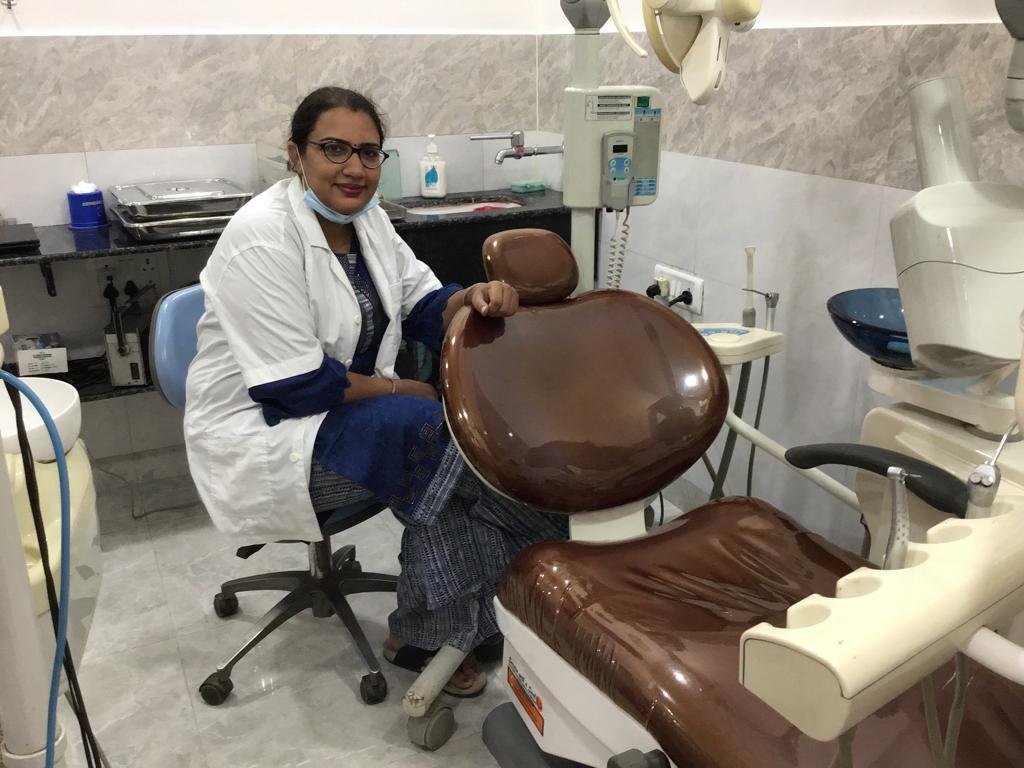
- Clinical Fact-Checker: Medically reviewed by Prosthodontics specialist Dr. Jyoti Agarwal (Agarwal Dental Clinic / Central Poly Clinic).
- Enamel Preservation: Modern aesthetic veneers require very minimal enamel reduction (only 0.3mm to 0.5mm), making it one of the most conservative cosmetic treatments.
A flawless, confident smile has a profound impact on social confidence, professional success, and self-esteem. For individuals dealing with severe tooth stains, minor chips, uneven spacing, or gaps, dental veneers represent the absolute premier choice in cosmetic dentistry. Veneers are custom-fabricated, ultra-thin shells of dental ceramic or composite resin that are chemically bonded to the front surfaces of your teeth, instantly correcting cosmetic imperfections and creating a highly balanced, bright, and harmonious smile.
Understanding the costs, materials, and clinical processes associated with dental veneers is essential to planning a successful aesthetic makeover. In Gorakhpur, premium cosmetic clinics utilize digital design techniques to custom-tailor veneers to each patient's facial profile. This comprehensive guide outlines real local pricing, material comparisons, procedural details, and clinical safety standards in Gorakhpur.

1. What is the Dental Veneers Cost Matrix in Gorakhpur?
The cost of veneers in Gorakhpur varies significantly based on the chosen material (composite resin vs. glass-ceramic porcelain), the complexity of the cosmetic case, and laboratory customization. Standard comparative rates charged at premier local clinics in Gorakhpur include:
| Veneer Classification | Material & Clinical Features | Local Gorakhpur Cost (INR) |
|---|---|---|
| Direct Composite Veneer | High-grade hybrid composite layered directly in-office. Ideal for single-session quick repairs. Can stain over time. | ₹2,000 - ₹3,500 per tooth |
| Standard Feldspathic Porcelain | Custom laboratory fabricated porcelain. Excellent surface gloss and matching translucency. | ₹6,500 - ₹8,000 per unit |
| IPS E-Max Porcelain Veneer | Ultra-thin lithium disilicate ceramic. Superior physical strength, natural translucency, and stain resistance. | ₹8,500 - ₹12,000 per unit |
| Prestige CAD/CAM Lumineers | Minimal-prep or no-prep imported porcelain veneers. Exceedingly thin (0.2mm) with maximum enamel preservation. | ₹12,500 - ₹18,000 per unit |
2. The Clinical Comparison: Porcelain vs. Composite Veneers
Choosing between porcelain and composite resin depends on your cosmetic goals, budget, and long-term durability expectations:
A. Premium Porcelain Veneers (IPS E-Max)
Porcelain veneers are custom-milled from advanced glass-ceramic blocks (lithium disilicate) that share the same glass-like structure and reflective indices as natural enamel. They do not absorb pigments from tea, coffee, or spices, guaranteeing permanent whitening. With a high flexural strength of 400 MPa, they resist wear and fracturing, routinely lasting 12 to 15 years with basic hygiene maintenance.
B. Direct Composite Veneers
Composite veneers utilize tooth-colored composite resins (similar to white fillings) that are sculpted directly onto the prepared tooth surface by the dentist in a single visit. While highly economical and easy to repair if chipped, composite is porous. Over time, it undergoes minor discoloration and loss of surface gloss, requiring routine polishing every 1-2 years and complete replacement every 3 to 5 years.
3. The Smile Makeover Process: Steps to a Confident Smile
Achieving a premium smile makeover with porcelain veneers requires meticulous planning and clinical precision over three primary stages:
- Aesthetic Smile Design: The dentist takes initial clinical photos, digital scans, and records your facial proportions. Using specialized software, a digital blueprint of your prospective smile is created, allowing you to preview and approve the design.
- Conservative Tooth Preparation: The dentist gently shaves a micro-layer of enamel (approx. 0.3mm to 0.5mm) from the front tooth surfaces under local anesthesia. High-precision digital intraoral scanners capture a 3D impression, which is sent to a specialized dental laboratory. Temporary acrylic veneers are placed to protect the teeth.
- Chemical Cementation & Bonding: The custom-fabricated porcelain veneers are received from the lab. The dentist meticulously tries them on to verify fit, bite, and color harmony. The tooth surface is etched, and the veneers are permanently bonded using advanced resin adhesive systems cured with specialized high-intensity lights.
4. Minimizing Enamel Reduction: High-Tech Safe Preparation
Many patients worry that getting veneers will damage their underlying natural teeth. Modern cosmetic dentistry focuses heavily on conservative preservation. Using magnification loupes and ultra-thin diamond burs, certified prosthodontists perform ultra-fine preparations confined entirely within the protective enamel layer. Enamel bonding is exceptionally strong and predictable, ensuring the veneers remain permanently attached without weakening the structural integrity of your natural teeth.
5. Sterile Safety Standards & Quality Verification
Because cosmetic veneer bonding is a micro-precise technique, maintaining a completely sterile dry field is essential for bonding success, and strict clinical hygiene is mandatory. Premium clinics in Gorakhpur feature state-of-the-art sterile dental suites. All mouth mirrors, fine preparation burs, and dental handpieces undergo a thorough 4-stage cleaning cycle, sealed inside medical-grade pouches, and autoclaved using high-vacuum Class B sterilizers. Sterilization runs are monitored daily using Class 5 chemical indicators and weekly biological spore testing (logged under Audit ID: CR-GKP-2026-0041) to ensure absolute safety and prevent cross-contamination.