💡 Fast Facts: PFM vs. Zirconia Cost in Gorakhpur
- Standard PFM Cost: Porcelain-Fused-to-Metal caps cost between 2,500 and 5,000 rupees per tooth in local clinics.
- Zirconia Cost Range: Milled monolithic Zirconia crowns range from 8,000 to 15,000 rupees depending on lab brand and warranty options.
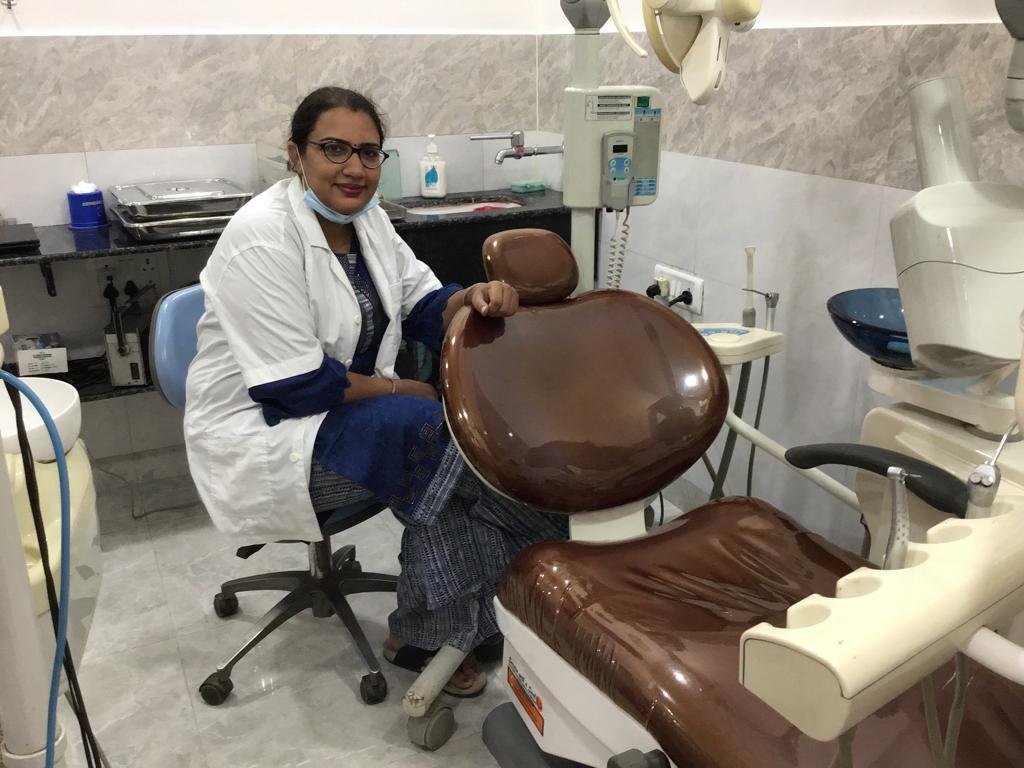
- Clinical Reviewer: Medically reviewed by Prosthodontics specialist Dr. Jyoti Agarwal (Central Poly Clinic, Reti Road, Golghar).
- Core Insight: Standard PFM crowns are cost-effective but contain a metal inner layer that block light, causing a dark grey shadow at the gum line over time. Zirconia is 100% metal-free, mimics natural tooth translucency, and offers superior strength for grinding forces.
When a tooth is damaged by decay, root canal treatment, or fracture, placing a custom dental crown is essential to restore its function and prevent breakage. Deciding which crown material to select is one of the most critical decisions in your restorative journey. For decades, the standard choice was a Porcelain-Fused-to-Metal (PFM) crown, which combines a metal core with a tooth-colored porcelain outer layer. However, modern dental technology has introduced solid Zirconia crowns, milled with high precision using CAD/CAM software.
While PFM remains a popular budget-friendly choice, Zirconia is increasingly preferred for its natural appearance, metal-free composition, and exceptional durability. This guide provides a detailed comparison of clinical differences, aesthetic outcomes, longevity, and realistic pricing in Gorakhpur.

1. What is the PFM vs. Zirconia Cost Matrix in Gorakhpur?
Dental crown prices in Gorakhpur are shaped by the material grade, the lab selected for manufacturing, and the warranty provided with the crown. The table below outlines typical rates per crown unit across local clinics:
| Crown Category | Material & Manufacturing Process | Gorakhpur Cost (Per Unit) |
|---|---|---|
| Standard PFM Crown | Basic metal alloy core with manual porcelain layering. Ideal for rear molars on a budget. | ₹2,500 - ₹3,500 |
| Premium PFM (DMLS) | Direct Metal Laser Sintered alloy core for a more precise fit, covered in high-quality porcelain. | ₹4,000 - ₹5,000 |
| Standard Zirconia | CAD/CAM milled solid monolithic zirconia. Backed by a 5 to 10-year lab warranty. | ₹8,000 - ₹10,000 |
| Premium Brand Zirconia (Lava/Prettau) | Imported high-translucency zirconia block. Comes with a 15-year to lifetime warranty certificate. | ₹12,000 - ₹15,000 |
2. Aesthetic Comparison: The Gum Line Grey Shadow
The most visible difference between PFM and Zirconia crowns is their appearance. A PFM crown relies on a dark metal shell to provide strength. To hide this metal, the dental technician applies a thick layer of opaque porcelain. Because metal blocks light, PFM crowns lack the natural translucency of real teeth. Over time, as your gum tissue naturally recedes with age, the dark metal edge of the crown becomes visible at the gum line, creating a noticeable grey shadow.
Zirconia crowns are 100% metal-free. They are made from zirconium dioxide, a white ceramic material that allows light to pass through it, mimicking the natural translucency of tooth enamel. Because there is no metal substructure, there is no risk of a grey shadow forming, even if your gums recede over time. This makes Zirconia the superior option for front teeth, where natural aesthetics are critical.
3. Structural Durability and Chipping Resistance
Durability is key when choosing a crown, especially for rear molars that undergo intense chewing pressure. PFM crowns are strong due to their metal core, but they have a vulnerable point: the outer porcelain layer. If you chew on hard foods or clench your teeth, the porcelain can chip away from the metal, exposing the dark alloy underneath. Repairing a chipped PFM crown usually requires replacing the entire unit.
Monolithic Zirconia crowns are milled from a single block of solid ceramic, meaning there are no separate layers that can chip or separate under pressure. Zirconia is virtually indestructible and can withstand heavy biting forces without fracturing. It is highly recommended for patients with bruxism (teeth clenching or grinding habits) who need maximum structural strength.
4. Biocompatibility and Tissue Response
The materials placed in your mouth can significantly impact your gum health. The base metal alloys used in PFM crowns, which often contain nickel or cobalt, can cause allergic reactions in sensitive individuals, leading to swollen, red, or bleeding gums around the crown. The metal can also oxidize over time, leading to mild gum discoloration.
Zirconia is highly biocompatible and chemically inactive. It does not cause allergic reactions, gum irritation, or metallic tastes in the mouth. Gums heal cleanly around Zirconia surfaces, and the smooth glaze resists plaque buildup, reducing the risk of localized gum inflammation and supporting overall periodontal health.
5. Precision Fit: CAD/CAM Milling vs. Manual Casting
How well a crown fits your prepped tooth is critical to its long-term success. If there is a tiny gap between the crown and the tooth, bacteria can slip underneath, causing decay and crown failure. PFM crowns are cast manually in a lab using plaster molds, a process that can introduce minor dimensional errors.
Zirconia crowns are designed using 3D digital impressions and milled using computer-controlled CAD/CAM machines. This technology ensures a precise fit, with margins accurate to the micron level. A tighter fit prevents bacterial leakage, protects the underlying tooth structure, and extends the lifespan of the restoration.
6. Prepping the Tooth: Conservative Reduction
To place a dental crown, the dentist must shave down the target tooth to make room for the cap. PFM crowns require a thicker layer of material (metal plus porcelain), meaning the dentist must remove about one point five to two millimeters of tooth structure. This can sometimes irritate the tooth nerve, requiring a root canal first.
Because Zirconia is extremely strong even when thin, it requires less space. The dentist only needs to shave down about zero point eight to one point two millimeters of tooth structure. This conservative reduction preserves more of your natural tooth and reduces post-treatment tooth sensitivity.
7. Class B Sterile Protocols for Dental Impressions
Your health and safety are supported by strict sterilization standards. Because taking physical impressions or scanning prepped teeth involves contact with saliva and gum tissue, all reusable dental instruments and impression trays go through a strict hospital-grade sterilization process. The trays are scrubbed, cleaned in an ultrasonic cleaner, wrapped in sterile pouches, and sterilized in a Class B vacuum autoclave.
We verify our autoclave cycles daily using Class 5 chemical indicators and run weekly biological spore tests (incubated and recorded under Audit ID: CR-GKP-2026-0044) to ensure absolute sterility, guaranteeing a safe, infection-free experience for every patient.