💡 Fast Facts: Oral Cancer Prevention & Diagnostic Costs
- Screening & Biopsy Costs: Clinical specialist consultation is ₹500 – ₹1,500. Diagnostic oral tissue punch biopsy and laboratory pathology report range from ₹3,500 to ₹6,000.
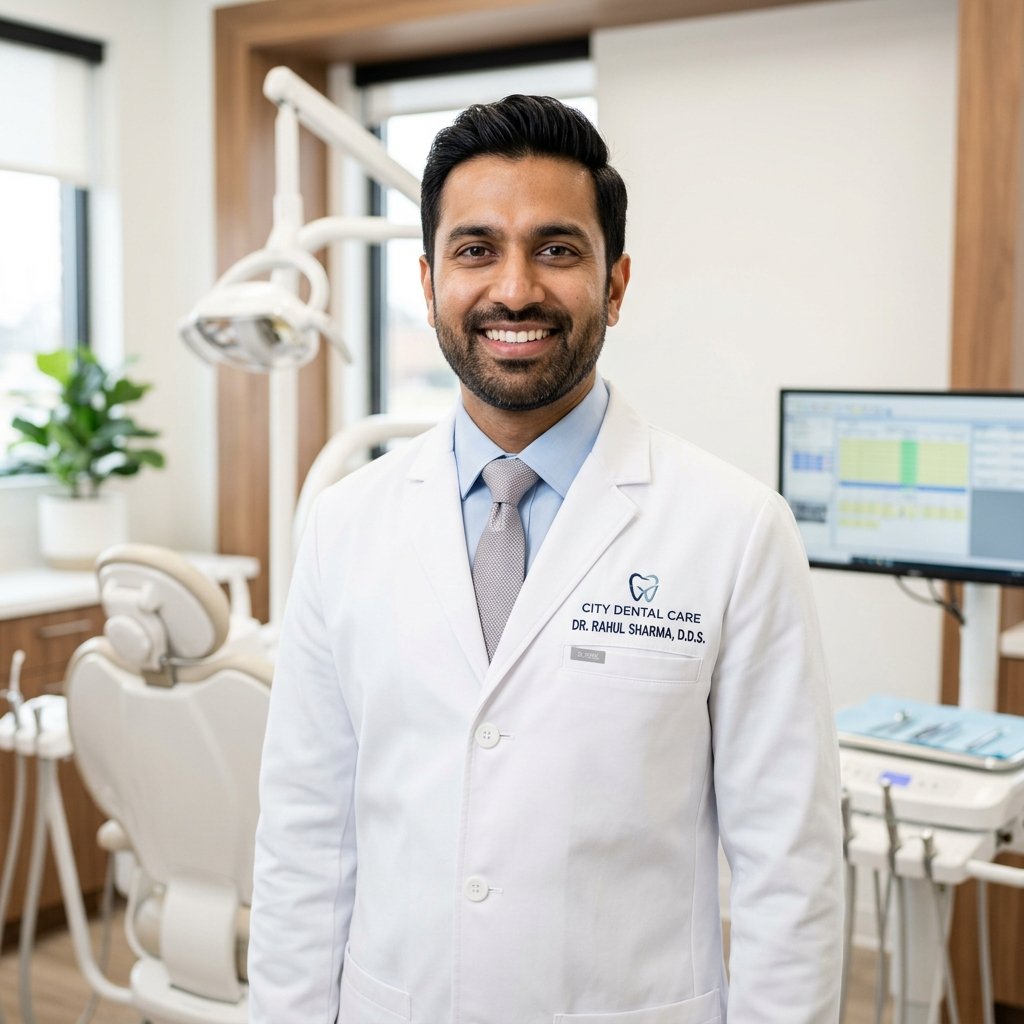
- Clinical Surgical Reviewer: Medically reviewed by Maxillofacial Surgeon Dr. Tayyeb (Dr. Tayyeb's Maxillofacial Center).
- Painless Biopsy Protocol: Biopsies are quick, in-office procedures performed comfortably under localized numbing anesthesia. Suture healing takes 5 to 7 days.
- Early Detection Saves Lives: Over 90% of oral cancers are completely curable if diagnosed early at Stage I or II before spreading to local neck lymph nodes.
Oral cancer represents a significant global and regional healthcare challenge, particularly in Northern India due to the widespread habits of chewing tobacco, gutkha, pan masala, and smoking. It encompasses malignant growths occurring on the lips, gums, tongue, inner lining of the cheeks, floor of the mouth, or the hard palate. While the word "cancer" carries intense anxiety, modern oncological surgery and early-detection technologies have advanced dramatically, offering highly effective, cure-focused clinical solutions.
The single most critical factor in oral cancer survival is early detection. When suspicious tissue changes are identified and biopsied in their early, pre-malignant stages, treatment is highly conservative, tissue-preserving, and has an exceptional success rate. This clinical guide outlines realistic Gorakhpur cost estimates for screenings and biopsies, early warning signs, specialized surgical biopsy workflows, and sterile surgical safety protocols in Gorakhpur.

1. What is the Diagnostic & Screening Cost Matrix in Gorakhpur?
The cost of oral cancer screenings, advanced visual aids, and tissue biopsies in Gorakhpur depends on the diagnostic technology utilized and laboratory processing parameters. Standard rates charged at premier surgical clinics in Gorakhpur include:
| Diagnostic & Biopsy Service | Clinical Process & Tech Features | Local Gorakhpur Cost (INR) |
|---|---|---|
| Clinical Oral Screening | Comprehensive physical palpation of all oral tissues, gums, tongue, and neck lymph nodes by an MDS Surgeon. | ₹500 - ₹1,200 per screening |
| Autofluorescence Visual Aid | Screening using specialized diagnostic lights (like VELscope) to highlight abnormal cell metabolic activity. | ₹1,500 - ₹2,500 per scan |
| In-Office Punch Biopsy | Surgical removal of a small tissue sample from the suspicious oral lesion under local anesthesia. | ₹3,500 - ₹5,000 (inc. surgical fee) |
| Pathology Lab Reporting | Histopathological micro-examination of the tissue specimen by a specialized Oral Pathologist. | ₹1,500 - ₹2,500 per sample |
2. Spotting the Warning Signs: When to Seek a Specialist Biopsy
Many pre-cancerous lesions begin as simple, painless spots that patients easily mistake for accidental cheek bites or common mouth ulcers. As a Maxillofacial Surgery expert, Dr. Tayyeb emphasizes that any ulcer or lesion that does not show signs of healing within 14 days must undergo physical evaluation. The key warning signs include:
- Erythroplakia & Leukoplakia: A distinct, velvety red patch (erythroplakia) or a firm, slightly raised white patch (leukoplakia) inside the mouth that cannot be easily scraped off.
- Non-Healing Ulcers: A chronic mouth ulcer or sore that bleeds easily on touch, has hard or raised margins, and does not heal after removing sharp tooth edges.
- Chronic Trismus (Difficulty Opening Mouth): Unexplained stiffness in the jaw, difficulty chewing, swallowing, or moving the tongue, often accompanied by progressive jaw joint pain.
- Painless Neck Lumps: A firm, painless swelling or lump in the neck that has been progressively growing, indicating potential lymph node involvement.
3. The Specialized Biopsy Process: Path to Accurate Diagnosis
If a suspicious lesion is identified during screening, a tissue biopsy is the absolute definitive clinical standard for diagnosis. A biopsy is a quick, safe, in-office surgical procedure completed in under 20 minutes:
- Localized Anesthesia: The surgeon applies a topical numbing gel, followed by a micro-injection of local anesthetic directly around the lesion, making the site completely numb.
- Specimen Collection: The surgeon utilizes a sterile micro-punch tool or a fine scalpel to remove a small, representative sample (approx. 2mm to 4mm) of both the abnormal lesion and a tiny margin of healthy adjacent tissue.
- Suturing & Hemostasis: If necessary, 1 or 2 micro-sutures (biodegradable silk or synthetic) are placed to close the site and halt bleeding.
- Lab Histopathology: The specimen is preserved in a formalin vial and sent to an accredited pathology laboratory, where specialized oral pathologists examine the cell structures under high-power microscopes to provide a definitive diagnosis (benign, dysplastic, or malignant).
4. Advanced Surgical Management: Wide Local Excision & Reconstruction
If the biopsy report indicates a localized malignancy or severe epithelial dysplasia, the primary treatment is wide surgical excision. Performed under general anesthesia by a highly trained MDS Oral & Maxillofacial Surgeon, the surgery involves resecting the tumor along with a safe, clear margin of healthy surrounding tissue to ensure zero cancer cells are left behind. Elite maxillofacial surgeons utilize state-of-the-art piezoelectric surgical devices and micro-vascular reconstructive techniques (using tissue flaps from nearby areas) to preserve facial aesthetics, jaw alignment, speech, and swallowing functions, ensuring a high quality of life post-surgery.
5. Sterile Surgical Bay & Spore Test Verification
Because oral biopsies and wide surgical excisions involve cutting deep vascular tissues and bone guttering, hospital-grade sterile protocols are mandatory. Audit-approved surgical clinics in Gorakhpur feature a specialized minor operating theater (OT). All surgical scalpels, punch tools, suture holders, and surgical retractors undergo a rigorous four-stage sterilization cycle: manual pre-cleaning, ultrasonic decontamination, sterile packaging, and high-vacuum Class B autoclave sterilization. Cycles are verified daily using Class 5 chemical indicators and weekly biological spore tests (incubation logs logged under Audit ID: CR-GKP-2026-0048) to guarantee absolute sterile safety for every surgical patient.