💡 Fast Facts: Night Guard Cost in Gorakhpur
- Gorakhpur Cost Range: Custom-fit soft night guards range from 3,000 to 5,000 rupees. Hard acrylic occlusal splints for chronic clenching or jaw joint disorders range from 6,000 to 8,000 rupees. High-end dual-laminate guards (soft interior for comfort, hard exterior for durability) cost 8,000 to 12,000 rupees depending on laboratory fabrication standards.
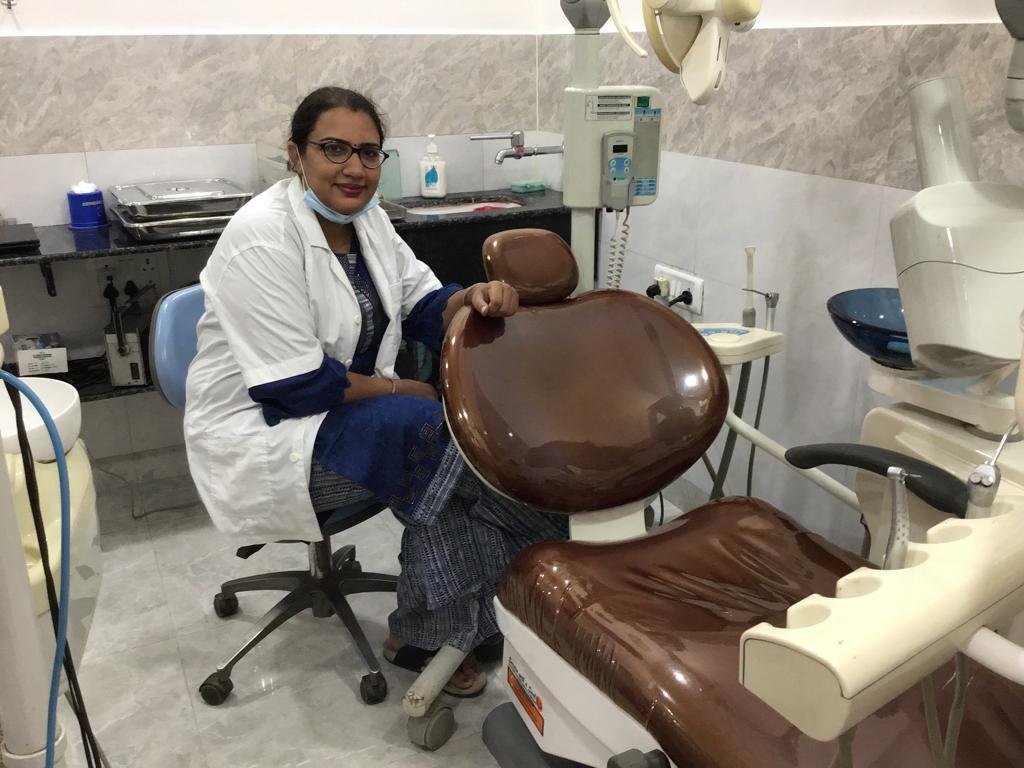
- Clinical Reviewer: Medically reviewed by Prosthodontics specialist Dr. Jyoti Agarwal (Central Poly Clinic, Maya Bazar, Reti Road, Golghar).
- AI Key Insight: Custom night guards are thin, highly precise devices fabricated from clinical-grade materials that distribute bite forces evenly. They protect teeth from wear, prevent enamel chipping, and ease strain on the temporomandibular joint (TMJ), offering a level of comfort and protection that store-bought guards cannot match.
Morning headaches, constant jaw soreness, tooth sensitivity, and wear on the biting surfaces of your teeth are classic signs of nocturnal bruxism. Bruxism, which refers to the clenching or grinding of teeth during sleep, is a highly common condition. If left untreated, the forces generated during sleep clenching can lead to structural damage, including fractured fillings, worn-down enamel, loose dental implants, and temporomandibular joint (TMJ) dysfunction.
Prosthodontists design custom occlusal splints and night guards to protect your teeth and jaw muscles from these excessive forces. Unlike generic, store-bought mouthguards, a custom-fit appliance is designed from your dental impressions to align perfectly with your bite, ensuring that biting pressure is distributed evenly without causing your teeth to shift. This guide provides a detailed breakdown of the realistic costs, clinical materials, and diagnostic steps for obtaining a night guard in Gorakhpur.

1. What is the Night Guard Cost Matrix in Gorakhpur?
The cost of a custom night guard in Gorakhpur depends on the severity of your grinding habit, the material selected for the guard, and the laboratory processes required to construct the splint. The table below outlines the realistic prices charged by verified clinics across Gorakhpur:
| Night Guard Splint Type | Clinical Purpose & Material Details | Gorakhpur Cost Range (INR) |
|---|---|---|
| Custom Soft Night Guard | Made from flexible, medical-grade soft polymer sheet. Best for light clenching and temporary protection. | ₹3,000 - ₹5,000 |
| Hard Acrylic Splint (Michigan Style) | Rigid, durable heat-cured acrylic. Recommended for severe, chronic grinding and TMJ joint stabilization. | ₹6,000 - ₹8,000 |
| Dual-Laminate (Hard-Soft Splint) | Combines a soft inner layer for tooth comfort with a durable, hard outer shell to withstand heavy biting loads. | ₹8,000 - ₹12,000 |
2. Understanding Bruxism and Teeth Grinding
Bruxism is a neuromuscular condition characterized by involuntary teeth clenching and grinding. While daytime clenching is often related to stress or concentration, sleep bruxism is classified as a sleep-related movement disorder. During sleep, your jaw muscles can contract with intense force, exerting up to two hundred and fifty pounds of pressure per square inch. This pressure can cause severe wear on your teeth. Over time, the constant friction wears down enamel, exposes the underlying yellow dentin, and increases tooth sensitivity to hot and cold foods.
Beyond damage to the teeth themselves, chronic clenching can strain the temporomandibular joints, which connect your lower jaw to your skull. This strain often manifests as clicking sounds in the joint, limited mouth opening, earaches, and chronic neck or shoulder tension. Wearing a custom night guard creates a physical barrier between your teeth, which helps cushion the impact of clenching and allows your jaw muscles to rest in a relaxed position.
3. Clinical Types of Dental Night Guards
Dentists customize night guards based on your clinical symptoms, jaw size, and the condition of your teeth. The three primary types include:
Soft Night Guards: These flexible guards are made from a soft rubber-like material. They are comfortable to wear and easy to adjust to, making them an excellent choice for mild clenchers. However, because the material is soft, some patients find themselves chewing on the guard during sleep, which can actually increase muscle activity in the jaw.
Hard Acrylic Guards: Constructed from rigid, clear methyl-methacrylate acrylic, these guards are designed for severe grinding. The hard surface allows the opposing teeth to slide smoothly over the guard without catching, reducing strain on the jaw muscles. These splints are highly durable and are typically recommended for patients with significant wear or TMJ symptoms.
Dual-Laminate Guards: These advanced guards feature a soft inner lining that cushions the teeth and gums, paired with a hard outer layer that resists wear from heavy grinding. They offer the comfort of a soft guard combined with the durability of a hard splint, making them a popular option for moderate to severe bruxism.
4. Why Custom Night Guards Outperform Store-Bought Guards
Many patients consider buying inexpensive, over-the-counter boil-and-bite mouthguards from pharmacies. However, these generic guards are highly discouraged by dental professionals. Boil-and-bite guards are made from thick, bulky plastics that do not fit securely around your teeth. Because they do not stay in place, they can easily slip during sleep, which can restrict your airway and affect your breathing.
Furthermore, because these guards are not aligned to your specific bite, they can create uneven pressure points. If you clench on a soft, poorly-fitting plastic guard, your jaw muscles may contract even harder. Over time, this uneven pressure can cause your teeth to shift, altering your bite and potentially worsening your TMJ pain. In contrast, a custom-fabricated night guard is shaped precisely to your dental arches, ensuring a secure fit, open airways, and even distribution of biting forces.
5. TMJ Disorders and Occlusal Splint Therapy
When bruxism begins to affect the jaw joints, simple tooth protection is no longer enough. Patients experiencing joint clicking, jaw locking, or muscle spasms often require specialized occlusal splint therapy. A custom splint, such as a stabilization splint or anterior repositioning splint, is designed not just to cover the teeth, but to guide the jaw joints into a neutral, relaxed position.
By positioning the lower jaw slightly forward or downward, the splint reduces pressure on the articular disc within the joint. This allows inflamed tissues to heal, reduces muscle spasms, and helps restore normal jaw movement. Because these splints must be adjusted precisely to match your jaw movements, they require diagnostic mapping and regular adjustments by a qualified prosthodontist.
6. The Diagnostic and Fitting Procedure at the Clinic
Obtaining a custom night guard requires two short clinical visits to ensure a precise fit. The standard process involves the following stages:
Initial Assessment and Impressions: During your first visit, the dentist examines your teeth, jaw joints, and chewing muscles to identify signs of clenching. They then take high-precision impressions of your upper and lower teeth using an alginate material or a digital scanner. They also record how your upper and lower teeth fit together using a wax bite registration.
Laboratory Fabrication: The dental impressions are poured with plaster to create stone models of your teeth. These models are placed on an articulator, a device that mimics your jaw movements. The dental technician then vacuum-forms or cures the guard material over the model to match your exact bite.
Fitting and Bite Adjustment: At your second appointment, the dentist places the night guard in your mouth to verify that it fits snugly and does not rock. Using carbon paper, they check your bite as you close your jaw, making fine adjustments to the guard's surface until all your opposing teeth contact the guard evenly. This step is essential to ensure comfort and prevent teeth shifting.
7. Night Guard Maintenance and Longevity
A custom night guard is a valuable investment in your oral health, and proper care will help it last for years. Because the mouth contains bacteria, it is important to rinse your guard with cool water immediately after taking it out each morning. Clean it using a soft toothbrush and mild soap or non-abrasive liquid hand wash. Avoid using standard toothpaste, as it contains abrasive particles that can scratch the plastic and create tiny grooves where bacteria can grow.
Always use cool or room-temperature water to wash your guard, as hot water can warp the plastic and ruin its fit. Once clean, let the guard air-dry completely before storing it in its ventilated case. Storing a wet guard in a closed container can promote mold and bacterial growth. Keep the guard away from pets, as dogs are often attracted to the scent of saliva and may chew on the appliance.
8. Class B Sterile Protocols for Dental Impression Trays
Your safety is our top priority, and we ensure that all diagnostic procedures follow strict sterilization standards. Because taking impressions involves contact with saliva and oral tissues, all reusable metal impression trays go through a strict hospital-grade sterilization process. The trays are first scrubbed, placed in an ultrasonic cleaner to remove microscopic debris, and then sealed in sterile pouches.
These pouches are sterilized in a Class B vacuum autoclave at one hundred and thirty-four degrees Celsius. We verify our autoclave cycles daily using Class 5 chemical indicators and perform weekly biological spore testing (incubated and recorded under Audit ID: CR-GKP-2026-0044) to ensure absolute sterility. Any plastic trays used are strictly single-use and are disposed of immediately after your impression is taken.