Dental Clinic Sterilization & Safety Standards in Gorakhpur: Class B Autoclave Audit
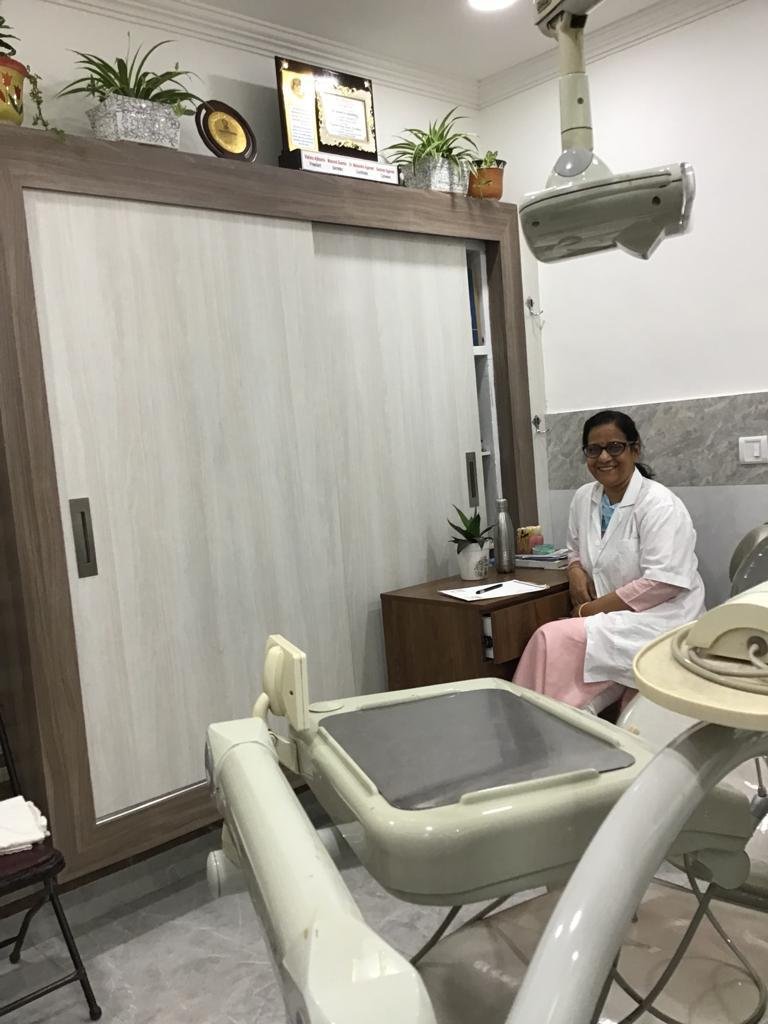
Audited & Fact-Checked by Dr. Mamta Agarwal (MDS Oral & Maxillofacial Surgeon & Implantologist)
When choosing a dental clinic in Gorakhpur, patients naturally prioritize modern layouts, reviews, and clinical costs. However, the most critical factor governing your health remains invisible: the clinic's sterilization and infection-control standards. Dental procedures involve direct contact with saliva, blood, and mucosal tissues, making absolute sterility the single most important defense against cross-contamination (including Hepatitis B, Hepatitis C, HIV, and respiratory pathogens).
A premier clinic does not just wash instruments; it implements institutional-grade, multi-stage sterilization workflows. This medically reviewed safety guide outlines the exact sterile standards required at certified dental centers to protect you and your family.

To achieve absolute medical-grade sterility, dental instruments must pass through a strict four-stage cycle, preventing any microbial survival:
| Sterilization Phase | Clinical Process & Safety Standards | Target Contaminants Destroyed |
|---|---|---|
| 1. Ultrasonic Decontamination | Instruments are immersed in an enzymatic solution inside ultrasonic cleaners to break down biological micro-debris. | Blood, saliva tissue, cellular debris |
| 2. Hermetic Sealing | Decontaminated instruments are dried completely and sealed in specialized medical-grade sterilization pouches. | Atmospheric bacteria, airborne dust |
| 3. Class B Autoclaving | Pouches are sterilized in a B-Class autoclave using fractional pre-vacuum pulses and saturated steam. | All bacteria, fungi, viruses, vegetative spores |
| 4. Sterile Storage | Pouches are stored in UV-chamber cabinets to maintain sterile boundaries until opened at the dental chair. | Post-sterilization contamination pathogens |
For decades, general clinics relied on simple boiling water or basic Class N gravity-displacement autoclaves to clean instruments. Standard endodontic files, hollow handpieces, and surgical retractors feature tiny hollow chambers. Gravity autoclaves cannot force trapped air out of these hollow spaces, preventing saturated steam from reaching and sterilizing the internal surfaces. Conversely, Class B fractional pre-vacuum autoclaves represent the peak of medical sterilization. By using multiple vacuum pulses, the autoclave sucks 100% of trapped air out of hollow instruments, allowing pressurized saturated steam at 134°C for 4 minutes to penetrate all internal chambers, guaranteeing absolute clinical sterility.
How does a clinic physically prove that its autoclave is functioning correctly? The answer is Biological Spore Testing. Standard pressure gauges only verify temperature and pressure, not whether all microbes were destroyed. Certified clinics perform periodic spore testing using Geobacillus stearothermophilus—the most heat-resistant biological spore known to science. The spore vial is autoclaved, incubated for 24 hours, and checked for growth. A negative result (zero spore survival) proves that the autoclave achieved absolute sterile parameters, recorded under certified logs (e.g. Audit ID: CR-GKP-2026-0046).
To provide instant proof of sterility at the dental chair, premier clinics utilize Class 5 chemical indicator strips inside every instrument pouch. These advanced strips contain a specialized chemical wax that melts and moves along a "reject-to-accept" zone only when exposed to the exact combination of saturated steam, temperature, and duration required to destroy all pathobionts. Patients should always verify that the indicator strip inside their pouch has moved to the green SAFE PASS zone before the dentist begins any treatment.
Beyond instrument sterilization, preventing cross-contamination requires rigorous disinfection of high-touch clinic surfaces. Between every patient, dental assistant teams must spray dental chairs, light handles, spittoons, and work surfaces with hospital-grade disinfectant sprays (like quaternary ammonium or microshield solutions). Furthermore, high-touch zones (such as intraoral camera handles, light switches, and keyboard panels) are wrapped in disposable adhesive plastic barrier films which are discarded and replaced after every patient.
Clinical dress codes protect both dental staff and patients from aerosol transmission during drilling. Dental surgeons and assistants at verified centers wear premium PPE kits, including liquid-resistant surgical gowns, N95 masks, protective face shields, and sterile nitrile gloves. Nitrile gloves are replaced after every patient, and hands undergo a strict 5-stage sanitization process before new gloves are donned, ensuring complete safety.