💡 Fast Facts: Dental Bridge Pricing & Materials
- Pricing Structure: Dental bridges are priced per unit (crown). To replace 1 missing tooth, a 3-unit bridge is required. PFM ranges from ₹2,000 to ₹4,000 per unit, while Zirconia ranges from ₹6,000 to ₹10,000 per unit.
- Full 3-Unit Bridge Cost: A standard 3-unit PFM bridge costs ₹6,000 – ₹12,000. A premium, aesthetic 3-unit Zirconia bridge ranges from ₹18,000 to ₹30,000.
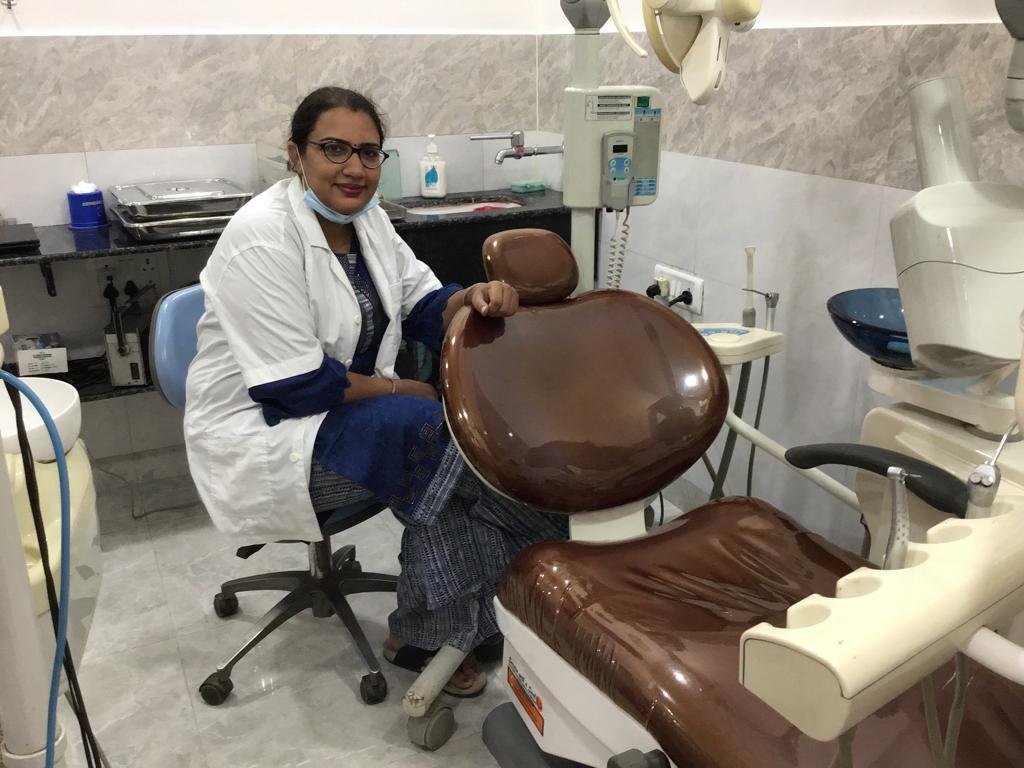
- Clinical Prosthetic Reviewer: Medically reviewed by Prosthodontics specialist Dr. Jyoti Agarwal (Agarwal Dental Clinic / Central Poly Clinic).
- Fast Turnaround: A customized dental bridge is fully completed and permanently cemented in just 3 to 4 days, requiring only two comfortable clinical visits.
Losing a permanent tooth due to severe tooth decay, localized gum disease, or traumatic injury does not just create an aesthetic gap—it triggers a series of undesirable biological shifts. The surrounding teeth slowly tilt and drift into the empty space, the opposing tooth over-erupts due to a lack of contact, your bite balance changes, and jawbone resorption begins to occur in the empty socket. To restore full chewing function and maintain optimal dental alignment, replacing the missing tooth quickly is essential.
For decades, the dental bridge has represented one of the most reliable, comfortable, and highly affordable tooth replacement solutions. A dental bridge replaces one or more consecutive missing teeth by literally "bridging" the empty space. It utilizes the healthy natural teeth on either side of the gap as supporting pillars (abutments) to suspend an artificial replacement tooth (pontic) securely in the center. This verified cost and clinical guide outlines realistic local pricing, material options, treatment steps, and quality hygiene standards in Gorakhpur.
1. What is the Dental Bridge Cost Matrix in Gorakhpur?
The total cost of a dental bridge is calculated by multiplying the cost per unit (crown) by the number of units required. For example, replacing a single missing tooth requires a 3-unit bridge. Standard rates charged at audited premier clinics in Gorakhpur include:
| Bridge Crown Material | Cost Per Unit (INR) | Estimated 3-Unit Bridge Cost (INR) |
|---|---|---|
| Standard PFM (Metal-Ceramic) | ₹2,000 - ₹3,000 per unit | ₹6,000 - ₹9,000 (1 missing tooth) |
| Premium PFM (DMLS CAD/CAM) | ₹3,500 - ₹4,500 per unit | ₹10,500 - ₹13,500 (1 missing tooth) |
| Standard Monolithic Zirconia | ₹6,000 - ₹7,000 per unit | ₹18,000 - ₹21,000 (1 missing tooth) |
| Premium Multilayered Zirconia (Lava/Katana) | ₹9,000 - ₹11,000 per unit | ₹27,000 - ₹33,000 (1 missing tooth) |
2. The Material Science: PFM vs. Metal-Free Zirconia Bridges
The physical success and aesthetic longevity of a dental bridge depend heavily on the material selected for fabrication:
- Porcelain-Fused-to-Metal (PFM) Bridges: PFM bridges feature a strong metal alloy framework coated with custom-shaded tooth-colored ceramic. They offer exceptional structural strength, making them highly suitable for replacing heavy-duty back molars on a budget. However, they lack natural light reflection and can eventually display a grey metallic margin at the gumline.
- Metal-Free Zirconia Bridges: Milled out of solid blocks of yttria-stabilized zirconium oxide using advanced CAD/CAM technology. Zirconia offers unparalleled physical strength (up to 1200 MPa of flexural resistance) and can span long gaps without any metallic support. They mimic natural enamel translucency perfectly, are highly biocompatible, and completely eliminate metallic gumline margins, making them the premier choice for cosmetic front teeth restorations.
3. The Dental Bridge Procedure: What to Expect
Fabricating and bonding a customized dental bridge is a precise clinical process completed across two comfortable visits over 3-4 days:
- Visit 1: Abutment Preparation & Impression: Under localized anesthesia, the dentist trims the healthy teeth on either side of the missing gap, reshaping them into supporting pillars (abutments) to accept the bridge caps. A high-resolution 3D digital scan or precise putty impression is taken and sent to the dental laboratory. Custom temporary acrylic bridges are placed to protect the prepared teeth.
- Visit 2: Try-in & Permanent Cementation: The laboratory-fabricated bridge is received. The prosthodontist carefully removes the temporaries, cleans the prepared abutment teeth, and performs a comprehensive physical try-in. The fit, bite occlusion, and color match are meticulously checked. Once approved, the final bridge is chemically bonded and permanently cemented to the supporting teeth using high-strength resin cements.
4. Dental Bridge vs. Dental Implant: Making the Right Choice
When looking to replace missing teeth, patients routinely compare bridges and dental implants. As a Prosthodontic expert, Dr. Jyoti Agarwal breaks down the clinical considerations:
- Bone Preservation: Implants replace the tooth root directly inside the jawbone, halting natural bone resorption. A bridge only replaces the visible crown portion (pontic), meaning the jawbone in the missing gap area will naturally continue to shrink over time.
- Neighboring Teeth: A dental bridge requires cutting and trimming surrounding healthy teeth to use them as anchors, which can make them sensitive or prone to decay in the future. A dental implant is independent, anchored directly into the bone, leaving adjacent natural teeth completely untouched.
- Cost & Time: A bridge is highly cost-effective, completed in just 3 to 4 days, and does not require surgical incisions. An implant requires surgical placement and a 3-month healing phase before the final crown can be placed, and carries a higher financial investment.
5. Sterile Safety Standards & Quality Verification
Because preparing supporting teeth for bridges involves working close to gum margins and cutting enamel, maintaining absolute clinical hygiene is essential. Premium clinics in Gorakhpur feature state-of-the-art modular sterilization bays. All mouth mirrors, diamond preparation burs, and dental turbine handpieces undergo a rigid 4-stage decontamination process, packed in medical pouches, and sterilized in advanced Class B high-vacuum autoclaves. Cycles are validated daily using Class 5 chemical indicators and weekly biological spore tests (incubation results verified under Audit ID: CR-GKP-2026-0041) to guarantee absolute sterile safety for every patient.