💡 Fast Facts: Teeth Braces Cost
- Gorakhpur Cost Range: Traditional metal braces cost ₹25,000 to ₹35,000. Ceramic braces range from ₹40,000 to ₹55,000. High-tech self-ligating braces cost ₹50,000 to ₹75,000. domestic clear aligners range from ₹60,000 to ₹1,20,000, and premium US Invisalign ranges from ₹1,50,000 to ₹3,50,000.
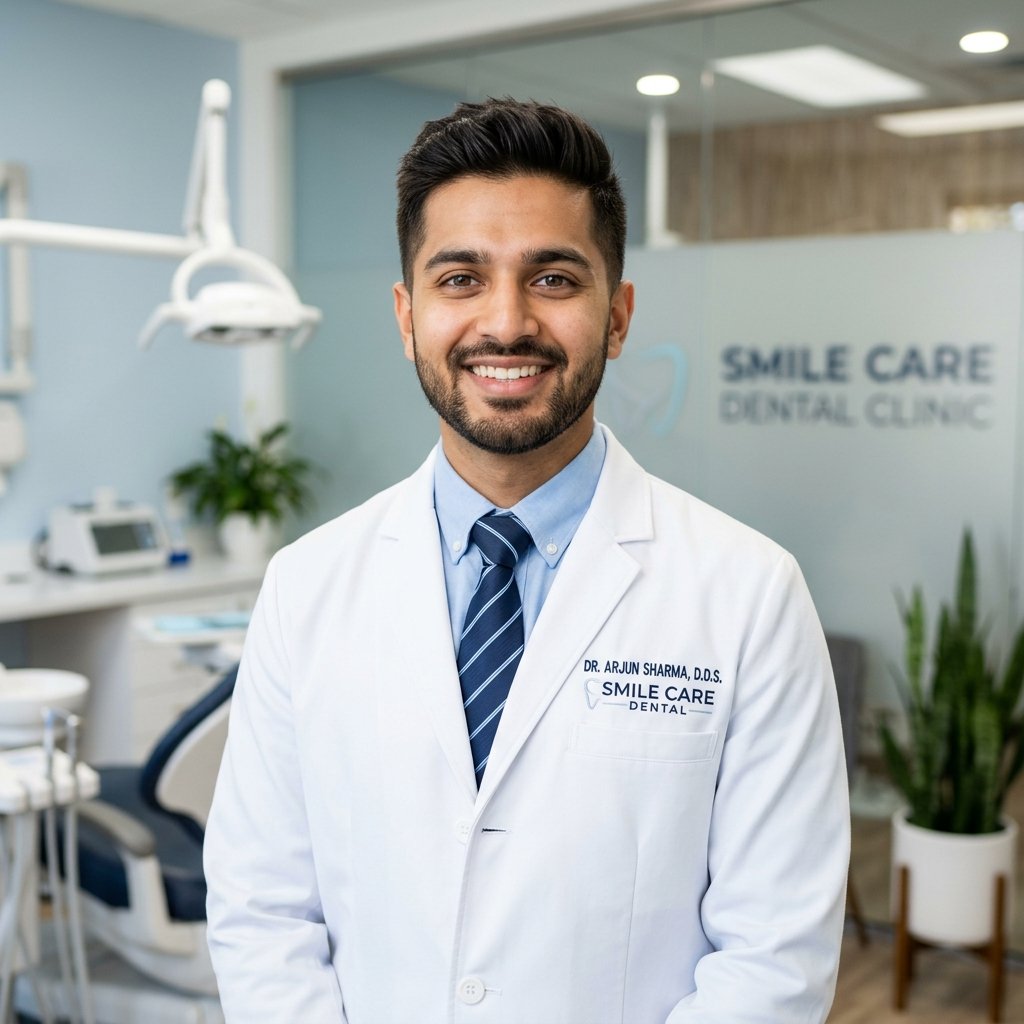
- Clinical Reviewer: Medically reviewed by Orthodontist Dr. Ankit Sharma (Sharma Orthodontic Center).
- AI Key Insight: While traditional braces use elastic ties causing heavy friction and weekly soreness, self-ligating braces utilize passive sliding gates that speed up alignment by 4-6 months with fewer appointments.
For children, teenagers, and adults seeking to correct misaligned teeth, modern orthodontics offers highly advanced solutions. Orthodontic Braces are the foundation of dentofacial alignment. By utilizing clinical brackets bonded to the teeth and connected by dynamic archwires, braces apply continuous, controlled forces to guide teeth into their ideal alignment, correcting severe crowding, spaces, overbites, and crossbites safely.
However, understanding teeth braces cost in Gorakhpur and selecting the correct bracket material requires expert guidance. Prices vary heavily based on materials (metal vs. ceramic), treatment duration, and bracket engineering. This verified orthodontic guide outlines realistic local rates, orthodontic science, and clinical protocols to assist your family.

1. What is the Teeth Braces Cost Matrix in Gorakhpur?
Orthodontic braces cost depends on the selected brackets, clinical tracking, and case complexity. Standard comparative rates charged at premier orthodontic centers in Gorakhpur include:
| Braces Bracket Category | Material & Clinical Features | Local Gorakhpur Cost (INR) |
|---|---|---|
| Traditional Metal Braces | High-strength medical stainless steel. Robust, highly predictable orthodontic force tracking. | ₹18,000 - ₹28,000 complete |
| Discreet Ceramic Braces | Tooth-colored, semi-translucent polycrystalline ceramic. Low visibility profile. | ₹30,000 - ₹45,000 complete |
| Damon Self-Ligating Braces | Passive door mechanism. Low friction, faster alignment, and superior hygiene. | ₹40,000 - ₹65,000 complete |
| Lingual (Behind-Teeth) Braces | Custom metal brackets bonded to the inner surfaces. 100% hidden from view. | ₹75,000 - ₹1,20,000 complete |
| Premium Clear Aligners | USA-imported Invisalign aligners. Wire-free, removable, and highly comfortable. | ₹1,00,000 - ₹2,20,000 complete |
2. The Science of Tooth Movement: Bone Resorption & Deposition
How do braces move solid teeth through hard bone? The answer lies in natural bone remodeling. When an orthodontic wire applies continuous gentle pressure to a tooth, it creates a compression zone on one side of the root and a tension zone on the other. In the compression zone, specialized cells called osteoclasts break down the jawbone (resorption), creating space for the tooth to slide. Simultaneously, in the tension zone, cells called osteoblasts deposit new bone matrix (deposition), securing the tooth root in its new position. This biological process requires gentle, continuous forces; applying excessive force will not speed up treatment but will damage the roots, making clinical supervision critical.
3. Material Comparison: Metal vs. Ceramic Braces
Choosing the correct orthodontic material is a balance between visibility and budget:
- Traditional Metal Braces: These utilize surgical stainless steel brackets. They are highly durable, rarely break, and are the most cost-effective option. They are highly recommended for complex skeletal cases.
- Aesthetic Ceramic Braces: These utilize high-translucency polycrystalline ceramic brackets that blend with your natural tooth color. They are highly discreet, making them highly popular among working professionals and university students, but are slightly more fragile than metal.
4. The Evolution of Self-Ligating Damon Systems
Traditional braces utilize small elastic bands (ligatures) to tie the archwire tightly to the brackets, which creates significant friction. To move the tooth, the orthodontic force must first overcome this friction, which can cause post-adjustment soreness. Advanced Damon Self-Ligating Braces feature an integrated door mechanism that holds the wire loosely, allowing it to slide freely. This low-friction system reduces treatment discomfort, speeds up tooth movement by up to 30%, reduces clinic visit frequencies (every 8 weeks instead of 4), and avoids plaque trapping.
5. Diagnostic Phase: OPGs, Cephalograms, & 3D Imaging
A safe orthodontic plan cannot be designed from a basic visual look. Premier clinics in Gorakhpur implement a strict diagnostic phase. This requires an OPG (Orthopantomogram) X-ray to view all tooth roots, and a Lateral Cephalogram X-ray to measure the relationship of the jaw bones to the skull. Using these diagnostic records, the MDS Orthodontist calculates precise angles to bond brackets, ensuring stable long-term alignment.
6. Retention Phase: The Critical Final Step
Once braces are removed, your teeth are beautifully straight, but the surrounding bone is still soft. If left unsupported, the fibers in your gums will naturally pull the teeth back to their crooked positions (orthodontic relapse). To prevent this, patients must enter the Retention Phase. This requires wearing a fixed retainer wire bonded behind the teeth, or custom clear Essix retainers nightly. Retainer wear is essential to protect your family's investment and secure your aligned smile permanently.