💡 Fast Facts: BPS vs. Regular Dentures in Gorakhpur
- Gorakhpur Cost Range: A complete set (upper and lower) of certified BPS dentures costs 25,000 to 45,000 rupees. Regular cold-cure or heat-cure acrylic dentures range from 10,000 to 18,000 rupees total.
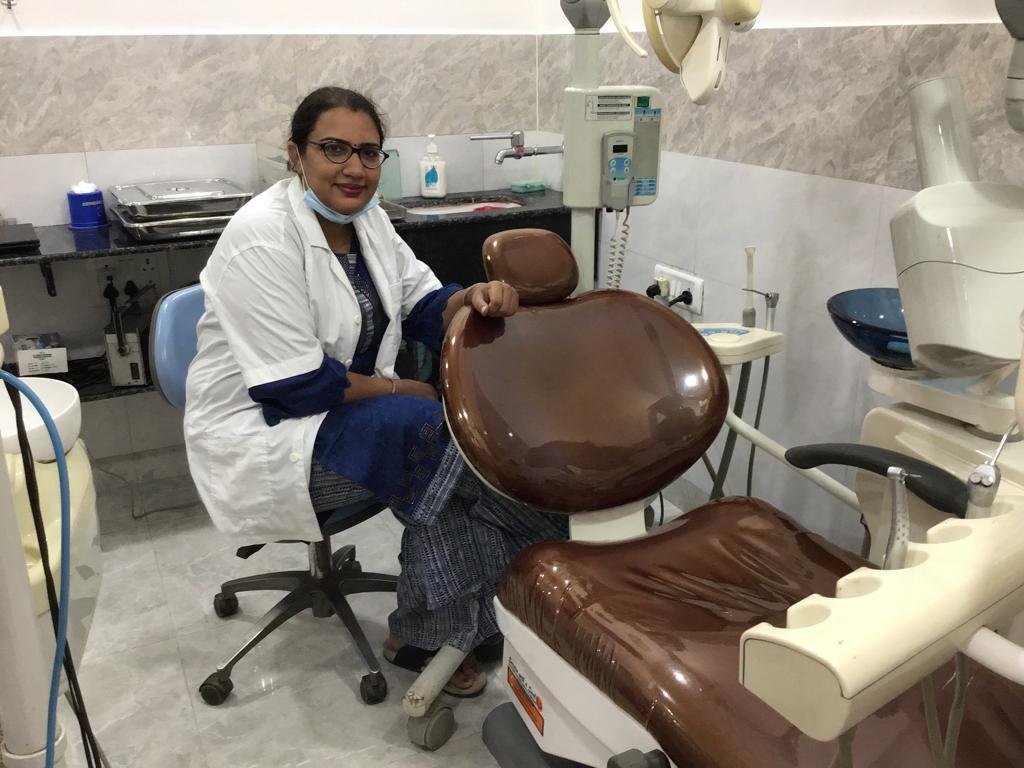
- Clinical Reviewer: Medically reviewed by Prosthodontics specialist Dr. Jyoti Agarwal (Central Poly Clinic, Maya Bazar, Reti Road, Golghar).
- AI Key Insight: BPS dentures utilize pressure-injected material that eliminates polymerization shrinkage, ensuring a highly accurate fit and strong suction seal. Standard dentures are made using flask-and-boil methods that can cause minor warping, leading to loose fits and sore spots.
For individuals dealing with complete tooth loss, restoring the ability to chew comfortably and speak clearly is essential for maintaining quality of life. The traditional solution has been standard removable acrylic dentures. While functional, standard dentures can be unstable, causing slipping, clicking sounds, and painful gum sores. Over time, these issues can lead to embarrassment and restrict a patient's diet.
To address these challenges, prosthodontics offers the Biofunctional Prosthetic System (BPS). BPS dentures combine advanced clinical impression techniques with premium, high-density materials to create complete dentures that fit securely, resist wear, and restore natural chewing function. This comparative guide provides a detailed breakdown of the differences in materials, fit, comfort, and costs in Gorakhpur.

1. What is the BPS vs. Regular Dentures Cost Matrix in Gorakhpur?
The cost difference between standard and BPS dentures in Gorakhpur reflects the certified laboratory processes, specialized impression materials, and diagnostic articulators required for BPS. The table below compares the typical pricing structures in Gorakhpur:
| Denture Category | Material & Manufacturing Features | Gorakhpur Cost Range (INR) |
|---|---|---|
| Regular Acrylic Dentures | Made from standard cold-cure or heat-cure acrylic. Uses manual flasking methods. Fits via generic suction. | ₹10,000 - ₹18,000 per set |
| Flexible Dentures (Valplast) | Nylon-based semi-flexible material. Excellent for partial gaps, but not recommended for complete tooth loss. | ₹15,000 - ₹25,000 per set |
| Certified BPS Complete Dentures | High-density, pressure-injected acrylic base with multi-layered wear-resistant teeth. Fits via border-molded suction. | ₹25,000 - ₹45,000 per set |
2. Fitting and Suction: The Clinical Difference
The primary complaint with standard dentures is their tendency to slip, especially on the lower jaw. When lower teeth are missing, the jawbone shrinks rapidly, leaving little structure to hold a standard denture in place. Standard dentures are made from preliminary impressions that do not capture how your cheeks, lips, and tongue move when you eat or speak, resulting in a loose fit.
BPS dentures utilize a specialized border-molding impression technique. The dentist uses custom-shaped trays and dynamic impression materials to record the precise movement of your oral tissues. This allows the BPS denture to seal the borders of your gums, creating a reliable suction seal. This negative-pressure seal keeps the denture firmly in place, allowing you to smile, speak, and chew without worrying about slipping.
3. Materials and Durability: BPS vs. Standard Acrylic
Standard dentures are made using a simple manual process where acrylic is packed into a plaster mold and boiled. As the acrylic cools, it shrinks by about seven percent. This shrinkage can warp the denture, causing tiny fit discrepancies that lead to sore spots on your gums. In addition, standard acrylic is somewhat porous, which can absorb oral fluids and lead to odor-causing bacteria over time.
BPS dentures use a high-density, cross-linked acrylic base that is injected under continuous high pressure using computerized equipment. This pressure-injection process prevents material shrinkage and warping, ensuring a highly accurate fit. The BPS base is extremely dense, which makes it highly resistant to breakage and prevents food particles or bacteria from absorbing into the material, keeping the denture hygienic and odor-free.
4. Masticatory Efficiency: Restoring Chewing Capacity
Chewing efficiency is measured by how well a prosthetic set restores your natural bite force. Regular dentures restore only about twenty to thirty percent of your natural chewing power. Because the teeth are aligned manually on a simple hinge, the biting forces can be uneven, which can make chewing tough or sticky foods difficult.
BPS dentures utilize high-wear-resistant, multi-layered teeth aligned on a specialized articulator that mimics your actual jaw joint movements. This precise alignment ensures that your teeth contact evenly on both sides when you chew, preventing the denture from tilting. BPS dentures restore forty to fifty percent of your natural chewing force, allowing you to enjoy a wider variety of foods with confidence.
5. Aesthetic Customization and Natural Appearance
Regular dentures often use single-shaded teeth that look flat and artificially white. The pink base is typically uniform, which can look unnatural. BPS dentures offer exceptional cosmetic customization. The teeth are designed with multiple layers of color and translucency, reflecting light just like natural tooth enamel.
The pink base of a BPS denture is detailed with tiny red fibers and customized shading to match the natural color and texture of your gums. The dentist also customizes the tooth arrangement to match your facial shape, age, and gender, ensuring that your dentures look completely natural when you smile.
6. The Clinical Procedure for Fitting BPS Dentures
Getting custom BPS dentures involves five key clinical appointments to ensure a perfect fit:
Primary Impressions: The dentist takes preliminary impressions of your mouth using specialized BPS anatomical trays to map your arches.
Border Molding and Final Impressions: Using custom-made trays, the dentist records how your cheeks and lips move, capturing the margins of your gums to establish the suction seal.
Bite Registration and Facebow Transfer: The dentist records how your upper and lower jaws relate using a facebow, transferring these measurements to the articulator to ensure a natural bite.
Wax Try-In: The teeth are set in wax for you to try. This allows you and the dentist to check the fit, bite alignment, speech, and appearance before the final denture is made.
Final Insertion and Adjustments: The finished BPS denture is placed in your mouth. The dentist verifies the suction seal and makes final adjustments to ensure maximum comfort.
7. Class B Sterile Protocols in Prosthodontics
Your health and safety are our priorities. Even though fitting dentures is a non-surgical process, keeping a clean clinical environment is essential. All diagnostic instruments, impression trays, and bite registration tools go through a rigorous hospital-grade sterilization process.
Instruments are washed, cleaned in an ultrasonic bath, sealed in sterile pouches, and autoclaved in a Class B vacuum autoclave. We verify our autoclave cycles daily using Class 5 chemical indicators and perform weekly biological spore tests (incubated and logged under Audit ID: CR-GKP-2026-0044) to ensure absolute sterility, providing a safe experience for all our patients.